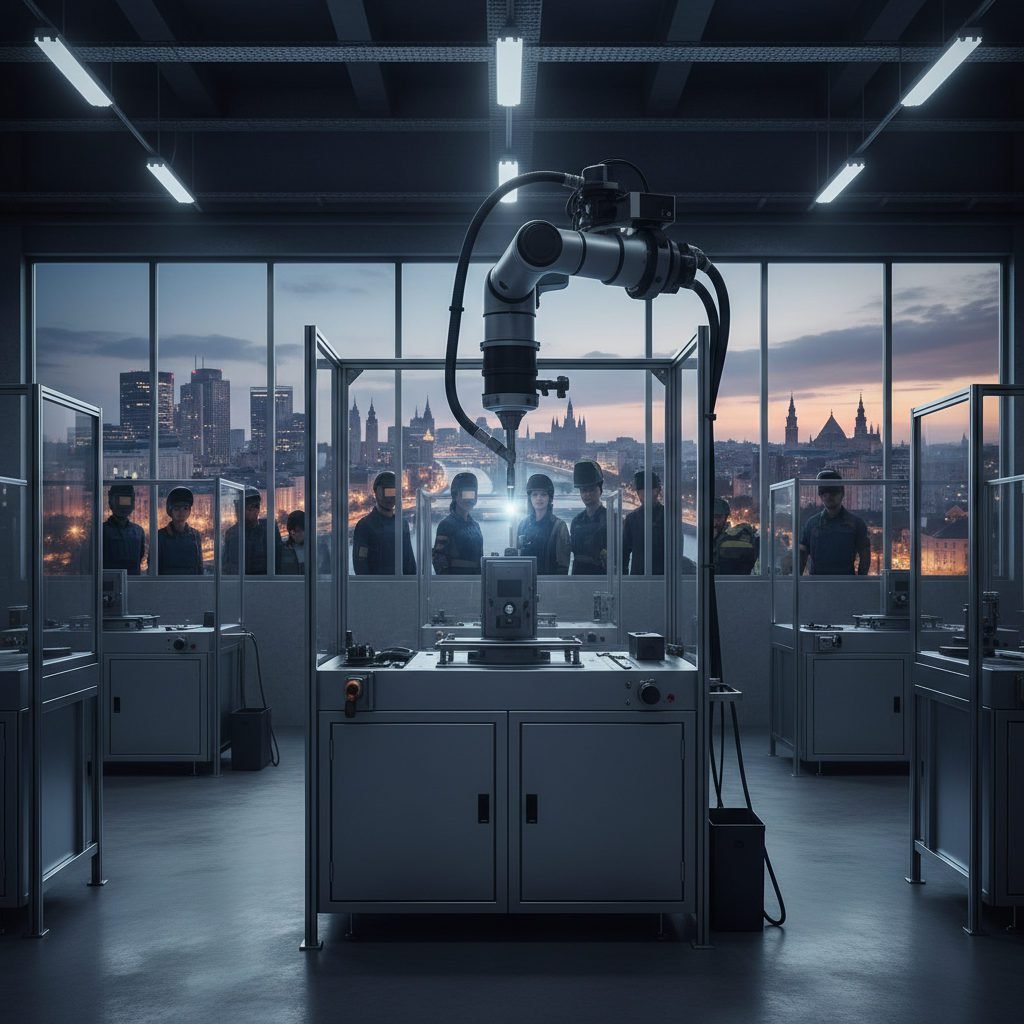
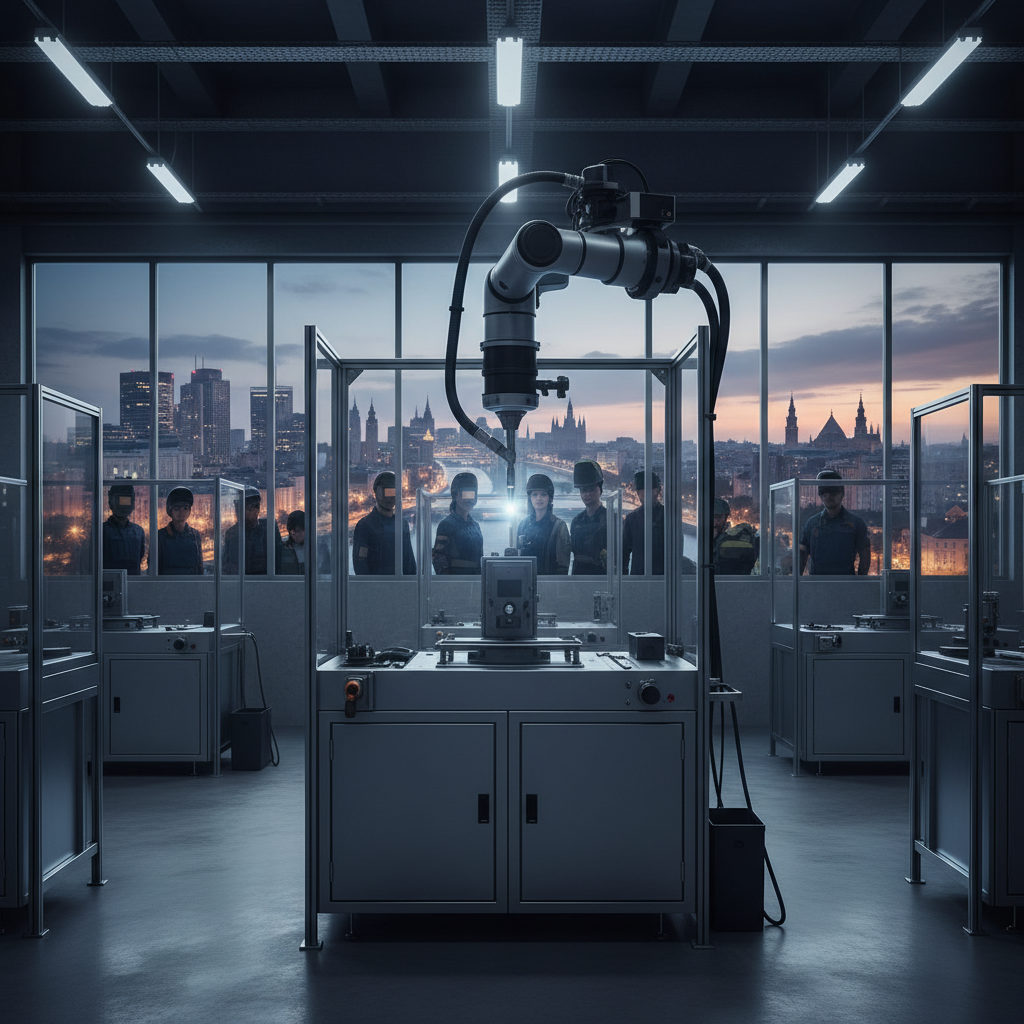
L’Europe fait face à une crise manufacturière critique, et le recrutement soudeur europe de l’est est devenu plus qu’essentiel : c’est une bouée de sauvetage pour de nombreux secteurs. Alors que la main-d’œuvre qualifiée en Europe de l’Ouest approche de la retraite et que les nouvelles initiatives de réindustrialisation et de transition énergétique augmentent la demande, le « déficit de compétences » n’est plus une projection. C’est une réalité quotidienne qui bloque des projets et paralyse des lignes de production. Trouver un soudeur capable non seulement de maîtriser sa torche, mais aussi d’interpréter des plans techniques complexes et de maintenir des normes ISO rigoureuses est une tâche de plus en plus ardue.
In this landscape, Eastern Europe remains a premier reservoir of industrial talent. Countries like Poland, Romania, and Bulgaria possess deep-rooted vocational traditions that continue to produce highly skilled workers. For companies in France, Germany, or even North American firms operating in the EU, recrutement soudeur europe de l’est (recruiting welders from Eastern Europe) is not just a cost-saving measure; it is a strategic necessity to ensure project continuity and meet production targets. This guide provides an updated, exhaustive roadmap for identifying, vetting, and integrating these sought-after professionals into your operations in 2026.
Understanding the Eastern European Welder Talent Pool
The workforce in Eastern Europe is not a monolith, but rather a diverse collection of regions with specialized industrial histories. To recruit effectively, one must understand where specific skills lie. Poland, for instance, has long been a powerhouse for shipbuilding and heavy machinery, producing welders who are experts in large-scale structural steelwork (MIG/MAG). Romania, with its robust oil and gas sector, fosters a high density of TIG (Tungsten Inert Gas) welders capable of high-pressure pipework. The Czech Republic and Slovakia also have strong automotive and manufacturing traditions, producing welders with precision skills.
From a technical standpoint, Eastern European welders are frequently trained under the EN ISO 9606-1 standard, the international benchmark for welder qualification. This makes their transition to Western European or international projects seamless, as their certifications are globally recognized. Furthermore, many technical universities and vocational schools in the region have maintained rigorous programs that combine metallurgy theory with thousands of hours of practical application.
Culturally, these candidates often exhibit a strong « fixer » mentality. Having worked in environments where resources might have been tighter than in Western hubs, they are often more adept at troubleshooting equipment and adapting to non-standard on-site conditions. This resilience, combined with a cultural emphasis on technical mastery, creates a workforce that is both highly skilled and remarkably adaptable.
Legal and Administrative Framework for International Recruitment
Navigating the legalities of international hiring remains the most significant hurdle for most HR departments. The process differs drastically depending on whether the candidate is an EU national (e.g., from Poland, Romania, Bulgaria) or from outside the EU (e.g., Ukraine, Moldova, Serbia). For EU nationals, the principle of « Free Movement of Workers » applies, allowing them to work in any member state without a specific work permit. However, local registrations (like the numéro de sécurité sociale in France or Anmeldung in Germany) are still mandatory.
For non-EU citizens, the complexity increases. Employers must typically prove that they could not find a suitable candidate within the local market—a process known as a « Labor Market Test. » Once cleared, the company must initiate the work permit application. However, the situation with Ukrainian workers has created a significant exception. Due to the ongoing geopolitical situation, many Ukrainians are in the EU under a Temporary Protection Directive, which grants them the right to work without the lengthy work permit process required for other third-country nationals. This has made the recruitment of skilled Ukrainian welders a more direct and faster process for EU companies.
Mandatory Detail: It is crucial to monitor bilateral agreements and EU directives. The A1 certificate remains essential if the welder is being « posted » or « detached » from an Eastern European agency to work temporarily in another country. This document proves that social security contributions are paid in the home country, avoiding double payments. Failure to secure this correctly can lead to significant fines.
Sourcing Strategies for Eastern European Welders
Traditional job boards like Indeed or LinkedIn are useful, but they often fail to reach the most experienced « old school » welders who are currently working on-site. To find high-tier talent, a multi-channel approach is required. Specialized recruitment agencies with a focus on skilled trades have pre-vetted databases of thousands of candidates. These agencies often have local scouts in cities like Cluj-Napoca, Gdańsk, or Lviv who understand the local nuances and can verify skills in person.
Digital outreach should also leverage region-specific platforms. For instance, OLX is a dominant classifieds site in Poland and Romania where many tradespeople look for work. Furthermore, Facebook and Telegram groups remain an untapped goldmine. Groups dedicated to « Spawacze » (Welders in Polish) or « Sudori » (Welders in Romanian) have tens of thousands of members who share job leads and discuss employer reputations in real-time. A positive reputation in these groups can be your most powerful recruitment tool.
Direct outreach at vocational schools and technical colleges in Eastern Europe is a long-term strategy for companies seeking a steady talent pipeline. By sponsoring a specific welding lab or offering apprenticeship programs for graduates, a company can secure loyalty from the next generation of workers before they even enter the open market.
Crafting Effective Job Descriptions and Recruitment Messaging
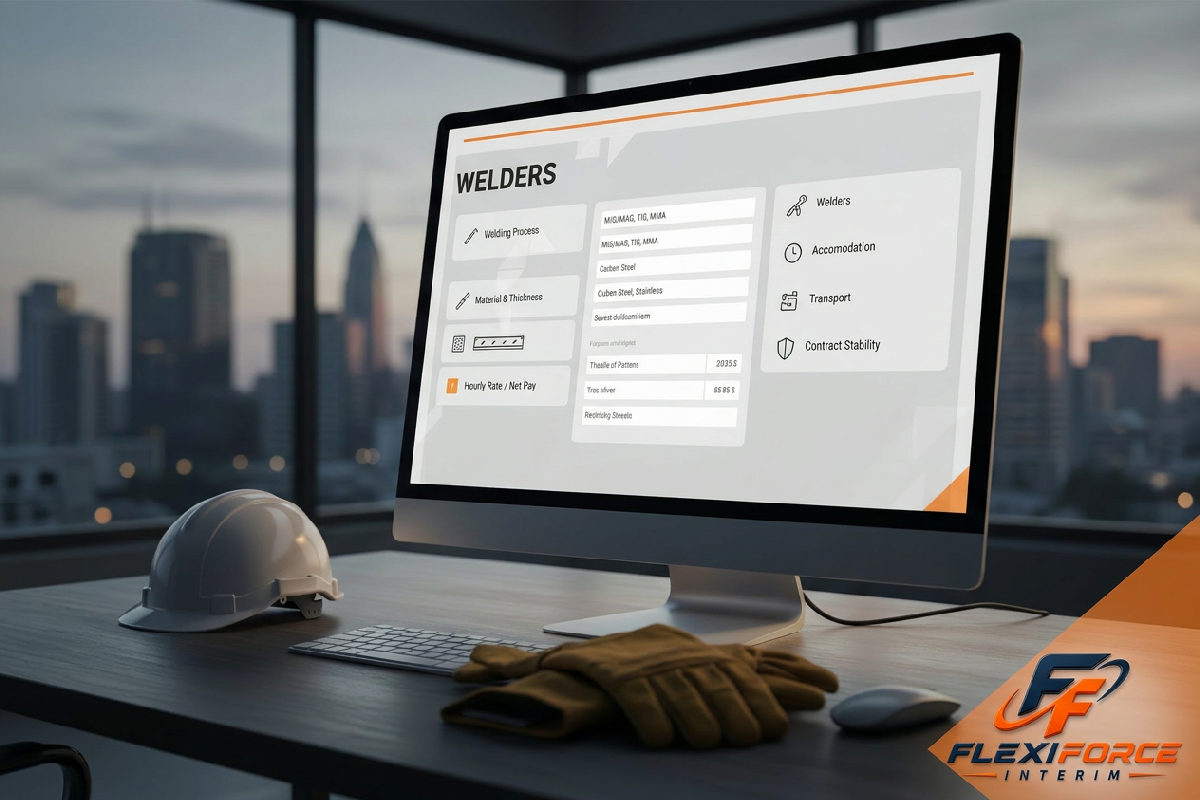
When targeting Eastern European talent, your job description must be more than a list of duties; it must be a compelling value proposition. Clarity is paramount. Clearly state the welding process (MIG/MAG, TIG, MMA), the material (Carbon steel, Stainless, Aluminum), and the thickness of the pieces. A welder in Romania looking for work in France will immediately look for the « Hourly Rate » and « Net Pay, » as well as whether « Accommodation » and « Transport » are provided.
The messaging should emphasize stability and transparency. Many workers from these regions have experienced poorly managed short-term contracts. Highlighting a « CDI » (permanent contract) or a long-term project lifespan of 12+ months is a major selling point. Use bold headers to list benefits like:
- Assistance with local administrative registration.
- Provision of high-quality PPE (Personal Protective Equipment).
- Guaranteed overtime availability and specific pay premiums.
- Proximity and quality of housing relative to the worksite.
Translating these descriptions into the candidate’s native language is not just a courtesy; it’s a necessity. It ensures that specialized technical terms are not lost in translation, which prevents « skill-mismatch » hires and builds trust from the first point of contact.
The Interview and Selection Process: Bridging Cultural Gaps
The interview for a welder is fundamentally different than for an office role. While a video call via WhatsApp or Zoom is a good first step to check for basic communication skills and personality fit, it cannot replace the « Weld Test. » Many companies now use « Technical Intermediaries » or partner agencies in the candidate’s home country to conduct a standardized welding test (e.g., a 6G pipe weld) and send X-ray or ultrasonic testing results back to the hiring manager for verification.
During the verbal interview, be aware of cultural communication styles. Some Eastern European candidates may be more reserved or direct than their Western counterparts. Don’t mistake a lack of « small talk » for a lack of interest. Focus the conversation on their past projects, the types of alloys they’ve worked with, their familiarity with reading ISO symbols on blueprints, and their specific certifications.
Mandatory Detail: Transparency in the selection process is non-negotiable. Provide the candidate with a written « Offer Letter » that details the exact net salary, hours, overtime rates, and all deductions before they travel. This builds the trust necessary for them to leave their current role. Always conduct a thorough reference check with previous employers—given the tight-knit nature of the European welding community, a quick call to a former foreman can reveal more than a two-hour interview.
Compensation, Benefits, and Contractual Agreements
The hyper-competitive landscape for welders means that a « minimum wage » offer will fail. For a qualified MIG/MAG or TIG welder from Eastern Europe working in France, Belgium, or Germany in 2026, a net monthly salary of €2,400 to €3,200 (plus housing) is often the baseline to remain competitive. It is also standard practice to provide a « displacement allowance » or « per diem » to cover food and daily expenses, which should be clearly stated as separate from the salary.
It’s important for employers to understand the total investment. Beyond the net salary, the full « coût recrutement soudeur europe de l’est » includes agency fees (which can range from 15-25% of the annual salary), travel costs for the initial journey, administrative fees for registrations, and the cost of setting up accommodation. While the upfront investment is significant, it is often far less than the cost of project delays caused by a lack of skilled labor.
Contractually, clarity on the « Probation Period » is vital. Usually, this is 1 to 3 months, giving both parties the chance to assess the fit. You must also account for « Return Trips. » Many workers plan to return home every 3 or 6 months; clarifying if the company pays for these flights or if it’s the worker’s responsibility can prevent future disputes.
Mandatory Detail: In many jurisdictions, it is a legal requirement to provide a copy of the employment contract in a language the worker understands. Using a bilingual contract (e.g., French on the left, Romanian on the right) ensures that there are no ambiguities regarding overtime rates, holiday entitlements, or termination clauses. This practice protects the employer from legal claims based on « lack of informed consent. »
Onboarding and Integration: Ensuring Long-Term Success
The first 48 hours of a welder’s arrival are the most critical. Successful companies don’t just hand over a key to a flat and a map to the factory. A comprehensive onboarding plan includes a « Welcome Pack » in their language, containing a pre-paid local SIM card, emergency contact numbers, the location of the nearest grocery store, and a guide to local transport. This small investment pays huge dividends in worker morale.
Integration also happens on the shop floor. Assigning a « Buddy »—ideally an experienced worker or foreman who speaks the same language or is from a similar background—can help the new arrival learn the « unwritten rules » of the workshop. Providing a basic « Workplace Language » course focusing on key safety terms (e.g., « Fire, » « Crane moving, » « Stop ») can drastically reduce the risk of accidents and improve team cohesion. Using modern translation apps on company-provided devices can also bridge immediate communication gaps.
Furthermore, don’t ignore the social aspect. If you are hiring a group of welders, try to house them in the same complex to foster a sense of community. Social isolation is a primary reason international workers quit. Encouraging team-building events can turn a temporary contract into a long-term, loyal employment relationship.
Challenges and Mitigation Strategies in International Welder Recruitment
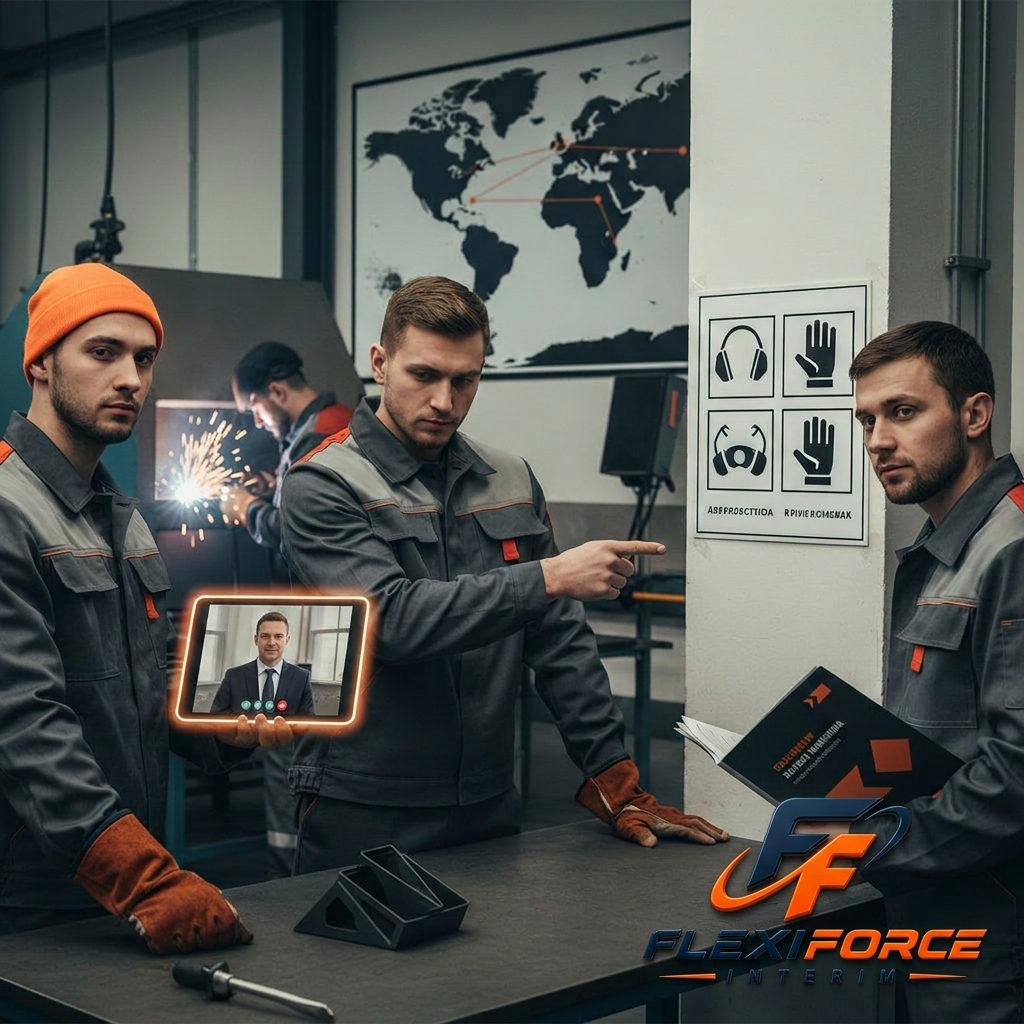
The most common challenge is the « Ghosting » phenomenon, where a candidate signs a contract but fails to show up. This is often mitigated by maintaining high engagement during the visa/notice period. Weekly check-ins, assisting with travel logistics, and demonstrating a genuine commitment to their successful relocation keeps them invested in the move.
Language barriers represent the second biggest hurdle. While the « language of welding » is largely visual, safety instructions must be understood flawlessly. Mitigate this by using universal visual safety signage (pictograms) and having key safety manuals and procedures professionally translated. If there is a significant group from one country, hiring one bilingual foreman or team lead is an invaluable investment that serves as a bridge for all technical and administrative communication.
Administrative delays are the third major challenge. External factors—like a backlog at a consulate (especially for non-EU nationals not covered by special directives) or a change in local labor laws—can delay a start date by weeks. Employers should always build a buffer into their project timelines and maintain a secondary « hotlist » of candidates who are already in-country or have valid work authorization to step in if a primary candidate’s paperwork stalls.
The Future of Eastern European Welder Recruitment in Europe
As we navigate 2026, the recruitment of Eastern European welders is becoming more digitized and sophisticated. The concept of « Digital Skill Passports » is now a reality, where a welder’s certifications, X-ray results from previous jobs, and employer reviews are stored on verifiable digital platforms. This significantly reduces the time spent on manual vetting and allows for near-instant verification of credentials.
There is also an increasing focus on « Hybrid Skills. » The welder of today and tomorrow needs to work alongside collaborative robots (cobots). Forward-thinking Eastern European technical schools are already integrating basic robot programming and operation into their welding curriculum. Companies that offer upskilling and training on these new technologies are becoming the « Employers of Choice » for the most ambitious Eastern European talent.
Finally, sustainability is playing a major role. « Green Welding » techniques that reduce fumes and energy consumption are becoming industry standard, driven by EU Green Deal regulations. Investing in the upskilling of your Eastern European workforce in these sustainable practices will not only help your company meet its ESG targets but also ensure your team is equipped for the next generation of industrial requirements.
Conclusion
Recruiting welders from Eastern Europe in 2026 is a sophisticated operation that requires more than a simple job posting. It demands a deep understanding of regional technical strengths, a firm grasp of a complex and evolving international labor legal framework, and a genuine commitment to cultural integration. By identifying the right talent hubs in Poland, Romania, and Ukraine, and supporting those workers with transparent contracts and a welcoming environment, companies can solve their critical labor shortages and bring elite craftsmanship to their projects.
The industrial landscape is undergoing a massive shift, and the competition for skilled labor is fiercer than ever. Do not wait for the talent to find you. By implementing the strategies outlined in this guide—from leveraging digital sourcing channels to providing bilingual contracts and robust onboarding—you can build a resilient, high-performing welding team that ensures your company stays at the forefront of global manufacturing. The time to audit your recruitment process and look East for the skills that will power your future is now.
Ping : Secteur Métallurgie : Où trouver les meilleurs soudeurs et chaudronniers en Europe ? – Job Plus interim